
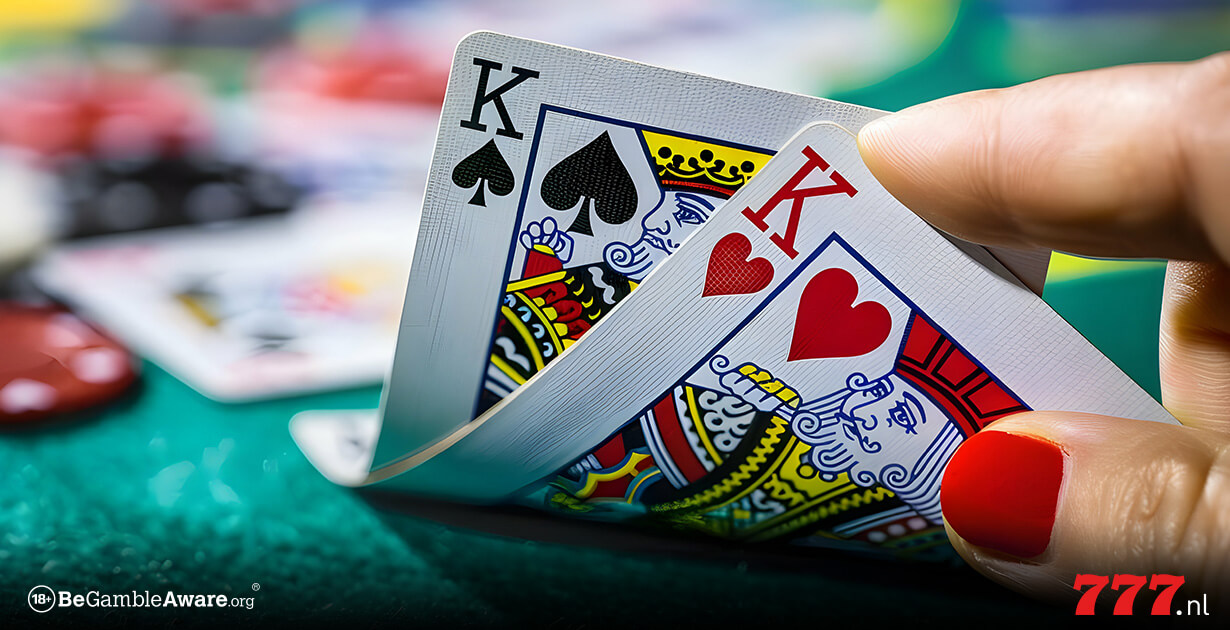
Poker may seem like a familiar card game, but behind the well-known poker hands, chips and bluffs lies a history full of surprises. From an early version played with just twenty cards to a WSOP champion who qualified online, these Poker Fun Facts show just how much the game has changed over two centuries.
We look at twelve remarkable facts and distinguish between well-documented history and popular stories whose origins are less certain.
Contents
- Where did poker actually originate?
- Was poker really once played with only 20 cards?
- Have straights and flushes always existed?
- Does Texas Hold’em really come from Texas?
- How was the first WSOP champion chosen?
- When did WSOP winners start receiving bracelets?
- Why did Chris Moneymaker change the poker world?
- How big is the WSOP today?
- How rare is a royal flush?
- Why does a flush beat a straight?
- Where does the expression poker face come from?
- Is online poker always played against other players?
1. Where did poker actually originate?
The exact origins of poker are less clear than is often claimed. Historians usually place the development of the modern game in the early nineteenth century around New Orleans and the Mississippi, where card games were popular in gambling houses and on riverboats.
The name is often linked to the French poque and German pochen. Stories claiming that poker directly descended from the Persian game As-Nas are regularly repeated, but there is no conclusive evidence for this. The safest conclusion is that several older card games influenced poker and that the game took on its recognisable form in the United States.
An early printed reference to poker appeared in 1836, while later accounts describe the game being played in New Orleans as early as around 1829. This makes the Mississippi stories historically more plausible than the often-repeated claim that one inventor created poker on one particular day.
2. Was poker really once played with only 20 cards?
Yes. The earliest well-documented form of poker used just twenty cards: the tens, jacks, queens, kings and aces from all four suits. Four players each received five cards, meaning the entire deck was dealt immediately.
Early poker also featured fewer combinations than the modern game. Hands included pairs, two pair, three of a kind, a full house and four of a kind. The later move to a 52-card deck allowed more players to take part and introduced new poker combinations.
3. Have straights and flushes always existed?
No. One surprising poker fact is that the familiar ranking of poker hands was not fixed from the beginning. In the early twenty-card game, straights and flushes were not even standard hands.
As the full 52-card deck became increasingly common during the nineteenth century, there was room for additional hands and new forms of the game. Poker therefore changed not only through versions such as draw, stud and later Texas Hold’em; the combinations used to compare hands also evolved. The first printed reference to draw poker, for example, dates from the middle of the nineteenth century.
4. Does Texas Hold’em really come from Texas?
According to the official recognition by the US state of Texas, it does. In 2007, Robstown was recognised as the birthplace of Texas Hold’em, although its exact origins there have not been established through historical documents.
The move to Las Vegas is better documented: Texas Hold’em was played there in 1967 and grew through the World Series of Poker to become the best-known form of poker. Anyone exploring poker today can still see how Hold’em rules and classic poker hands influence modern casino games.
5. How was the first WSOP champion chosen?
The first World Series of Poker in 1970 looked completely different from today’s Main Event. Seven invited players gathered at Binion’s Horseshoe in Las Vegas for cash games before being asked to vote for the player they considered the best.
According to the official WSOP history, everyone initially voted for themselves. When the players were then asked who they considered the second-best player, Johnny Moss came out on top. The first WSOP champion therefore did not win his title by being the last player left with all the chips.
6. When did WSOP winners start receiving bracelets?
The gold bracelet that is now inseparable from the WSOP did not exist during its first editions. It was not until 1976 that the organisation began awarding gold bracelets to the winners of WSOP events.
Before that, champions received other prizes, including cups and trophies. The bracelet has since become one of poker’s best-known awards, and players can win one in several different disciplines during a single WSOP series.
7. Why did Chris Moneymaker change the poker world?
Chris Moneymaker became world champion in 2003 after qualifying for the WSOP Main Event through an online satellite tournament. According to his current WSOP player profile, the qualification route cost him $86; he eventually won the Main Event and $2.5 million.
His victory became a symbol of the poker boom. The idea that a recreational online player could qualify and then defeat professionals attracted new worldwide attention to online poker and televised tournaments. In 2004, Main Event participation increased from 839 to 2,576 players.
8. How big is the WSOP today?
The scale of the event shows just how much poker has grown since 1970. While the first WSOP featured seven invited players, the 2026 Main Event in Las Vegas attracted 9,208 entries and generated a prize pool of more than $85.6 million.
The 22-year-old Lucas Jumalon won the 2026 Main Event and received $10 million. The WSOP is therefore no longer a small gathering of American card players, but an international event attracting participants from many countries.
9. How rare is a royal flush?
In a standard five-card hand, there are 2,598,960 different possible combinations. Only four of these are royal flushes: 10, jack, queen, king and ace of the same suit.
The chance of being dealt a royal flush directly in five cards is therefore 1 in 649,740. That ratio does not automatically apply to Texas Hold’em because players there choose their best five-card hand from seven available cards. The probability always depends on the type of poker being played.
10. Why does a flush beat a straight?
Probability explains an important part of the ranking of poker hands. In a standard five-card game, there are 10,200 possible straights compared with 5,108 flushes when straight flushes are counted separately.
A flush occurs less frequently and therefore ranks above a straight. Another detail that is often overlooked is that spades, hearts, diamonds and clubs have equal value under standard poker rules. A spade flush does not automatically beat a heart flush.
11. Where does the expression poker face come from?
Poker has also influenced everyday language. The English expression poker face means that someone does not reveal their thoughts or emotions, just as a poker player tries to prevent opponents from reading anything from their facial expression. Merriam-Webster dates the first known use of the term to 1874.
Poker also gained a notable role in Casino Royale. In Ian Fleming’s 1953 novel, Bond plays chemin de fer, but this was replaced by Texas Hold’em in the 2006 film. The official 007 website confirms that the central casino game is a high-stakes Hold’em game.
12. Is online poker always played against other players?
No, and that distinction is important. In traditional online poker, you usually play against other players. At an online casino, however, you can also find poker variants where you play against the dealer or a fixed payout table.
At Casino777.nl, for example, the poker selection includes video poker and casino variants such as Casino Hold’em. In live poker, games including Casino Hold’em, Caribbean Stud Poker, 2 Hand Casino Hold’em and Three Card Poker are played with a live dealer. This works differently from a traditional poker tournament in which players try to win each other’s chips.
Anyone comparing different online casino games should therefore check the rules and payout table first. Within live casinos, poker can also refer to several different formats, each with its own rules, stakes and decision points.
Fact or poker legend? How were these facts checked?
Colourful stories about poker can easily be passed down as history. It is therefore useful to distinguish between sources that directly document events and stories that were only recorded later, particularly when discussing the origins of poker and Texas Hold’em.
For these Poker Fun Facts, historical descriptions of the game, official WSOP results, the legislative recognition of Robstown and current Casino777.nl information were compared. This allows the entertaining details to remain without automatically presenting every popular poker legend as a proven fact.
What do these Poker Fun Facts tell us about the game?
Poker is not an unchanging card game. The move from twenty to 52 cards, new poker combinations, television, online poker and live dealer formats all show how the game has adapted to new players and technology.
Anyone trying a poker variant should stick to predetermined limits for both time and money. Casino777.nl is available in the Netherlands to players aged 18 and over and provides limits and other responsible gambling tools. Poker remains entertainment: understanding the rules can improve your decisions, but it can never guarantee a win.